
A quiet confession of emotional exhaustion, where love fades not with anger but with a weary, irreversible calm.
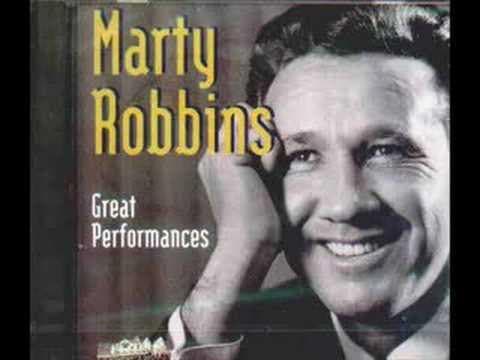
Released by Marty Robbins in 1970, She Means Nothing to Me Now arrived as a country single that charted on the Billboard Hot Country Singles and was featured on his album Marty Robbins, a period when Robbins was refining a more introspective and emotionally restrained style. Coming from an artist already celebrated for epic Western ballads and sweeping narratives, the song stood out not for drama or spectacle, but for its stillness. It spoke in the low voice of someone who has already endured the storm and is now left with silence.
At its core, She Means Nothing to Me Now is not a song about heartbreak in progress. It is about what comes after. The lyrics do not rage against betrayal or plead for reconciliation. Instead, they document emotional detachment as a finished fact. This is a subtle but profound distinction, and one that Marty Robbins understood deeply as a storyteller. The narrator is not trying to convince himself that he no longer cares. He is reporting it, almost clinically, with a tone that suggests surprise at his own emptiness.
Musically, the arrangement reinforces this emotional distance. The tempo is measured, the instrumentation restrained, and Robbins’ vocal delivery is calm to the point of resignation. There is no soaring chorus or dramatic shift, only a steady progression that mirrors the quiet acceptance described in the lyrics. Robbins sings with the clarity and control that defined his best recordings, allowing the words to land without embellishment. This is heartbreak stripped of ornament, leaving only truth behind.
What makes She Means Nothing to Me Now especially compelling is how it challenges the romantic mythology of country music. Love does not always end in tears or longing. Sometimes it ends in indifference, and that can be even more unsettling. Robbins captures that emotional gray area with remarkable maturity. The song acknowledges that once deep feeling can erode slowly, not through one decisive moment, but through accumulated disappointment and emotional fatigue.
Within Marty Robbins as an album, the song fits neatly into a broader exploration of adult relationships, regret, and emotional consequence. By 1970, Robbins was no longer singing from the perspective of youthful longing. He was documenting the interior lives of people who had lived, loved, and lost enough times to recognize when something was truly over.
Decades later, She Means Nothing to Me Now endures precisely because of its restraint. It trusts the listener to understand what is not said, to feel the weight of a love that has quietly expired. In the vast catalog of Marty Robbins, it remains one of his most emotionally honest recordings, a reminder that sometimes the most devastating confession is spoken softly, without anger, and without hope of return.