
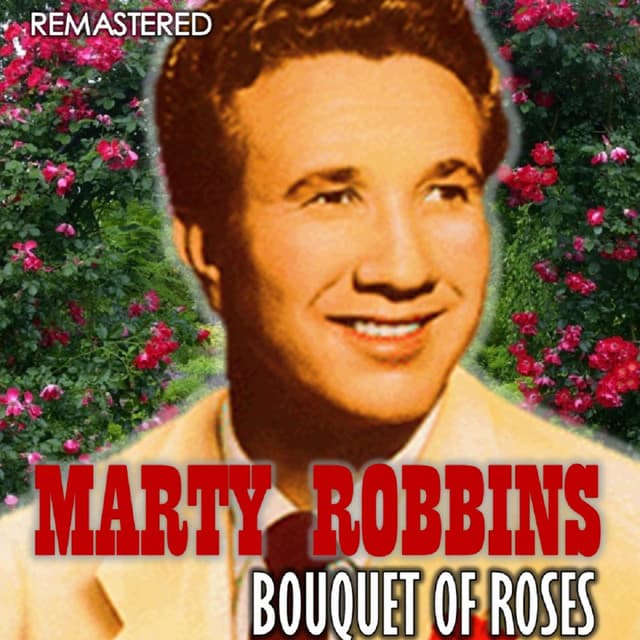
A tender confession about love arriving before the world is ready to take it seriously
In the early years of Marty Robbins’ recording career, Too Young arrived quietly, never asserting itself as a dominant chart presence upon release and never becoming anchored to a defining studio album. Issued during his formative period at Columbia, the song stood apart from radio driven ambition and instead functioned as an intimate character study. It is precisely this modest commercial footprint that has allowed Too Young to endure as a reflective artifact rather than a time stamped hit, revealing an artist still discovering how vulnerability could be transformed into lasting musical truth.
At its core, Too Young belongs to a long tradition of American popular songs that confront the tension between emotional certainty and social doubt. The narrator knows the depth of his feeling with absolute clarity, yet the outside world insists on measuring love by age, experience, and visible hardship. Robbins approaches this tension not with protest, but with quiet insistence. His delivery never pleads. It explains. That distinction matters. Rather than asking permission to love, the song calmly asserts that genuine feeling does not consult calendars or conventions.
Musically, Too Young is restrained by design. The arrangement avoids dramatic flourishes, allowing space for Robbins’ voice to carry the emotional weight. His phrasing is deliberate, each line unfolding with patience, as if the singer understands that conviction does not need volume to be persuasive. This early Robbins performance already hints at the interpretive maturity that would later define his greatest recordings. Even at this stage, he understood how to inhabit a lyric rather than simply sing it.
Lyrically, the song’s power lies in its refusal to argue with cynicism on cynical terms. The narrator does not deny youth. He reframes it. Youth becomes not a weakness, but a state unburdened by fear and compromise. Love, in this telling, is not something that must be earned through suffering. It is something recognized instantly, intuitively, and without apology. That perspective would resonate deeply in postwar America, where traditional expectations often clashed with a growing belief in emotional self determination.
Within Marty Robbins’ broader legacy, Too Young occupies an important symbolic place. It reveals an artist already drawn to emotional storytelling long before his western epics and narrative ballads brought him widespread acclaim. This is Robbins before legend hardened his image, before chart success dictated tone or tempo. The song captures him listening inward, trusting sincerity over spectacle.
Culturally, Too Young survives because its central question remains unresolved in every generation. Who gets to decide when love is legitimate. By offering no dramatic resolution, Robbins leaves the answer suspended in the listener’s own experience. That restraint is its quiet triumph. In the long arc of classic American recordings, Too Young endures not as a declaration shouted from the charts, but as a confession whispered across decades, still asking to be believed.