
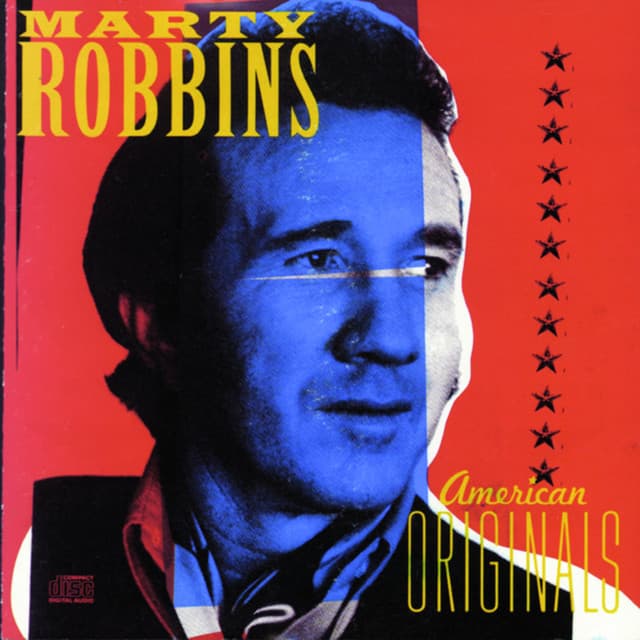
Some memories cling to us long after the final note fades
In April 1982, Marty Robbins unveiled Some Memories Just Won’t Die as the lead single from his album Come Back To Me. The song quietly yet insistently re-entered his career’s spotlight by climbing to number 10 on the Billboard Hot Country Singles chart, while simultaneously reaching the top position on Canada’s RPM Country Tracks.
As one of Robbins’ final major releases before his untimely passing later that year, the track resonates with both the gravity of a career nearing its end and the haunting permanence of the past.
In its most immediate sense the song is a plaintive reflection on the wounds left behind by love — not the fiery passion, but the lingering ghost of something once deeply felt. Written by Bobby Lee Springfield, “Some Memories Just Won’t Die” is not built around dramatic upheaval or grandiose heartbreak. The power of the song lies in its quiet insistence — the way memory can embed itself in a person’s bones, resurfacing in a whisper, a glance, a restless sleep. The narrator cannot deny what he senses: though the relationship may be over, the emotional residue between his lover and her former partner remains undiminished.
Musically, the arrangement is spare and respectful, allowing Robbins’ mature baritone to carry the full weight of experience. There is no rush, no flourish — just a steady, subtle ache. That contemplative space gives room for the lyric’s deeper undercurrent: memory is not always selective. It does not obey logic or time. Even love that ended long ago can continue to haunt us, shaping choices, shading glances, and eroding present comfort until what seems gone returns like a phantom.
At the same time the song becomes something more than a lament. In Robbins’ delivery — weary, intimate, touched by the knowledge of life’s fragility — it becomes a meditation on regret, longing, and the human inability to fully escape history. For listeners familiar with his long catalog of Western ballads, cowboy tales, and pop‑inflected country hits, this late‑career offering stands apart. It is not about adventure or gunslinger bravado. It is a quiet confession. It is maturity. It is the lingering ache of love’s ghost long after the frontier has grown distant.
In that respect “Some Memories Just Won’t Die” acquires a quietly elegiac quality that belies its simple structure. It is less a showpiece and more a confession. It invites empathy not through spectacle but through recognition. Many who have loved, lost, and then tried to rebuild know the feeling: closure can be an illusion. The mind — and the heart — has its own memory, one that refuses to fade.
It seems fitting that for Robbins this song came at the twilight of his life and career. What could read as coincidence becomes, in hindsight, an unspoken farewell. As the final chords fade, one hears not just the end of a relationship, but the echo of a life lived — full of love, loss, and unquiet memories destined to linger.