
A Hand Reaching Through the Darkness When Faith Is the Only Light Left
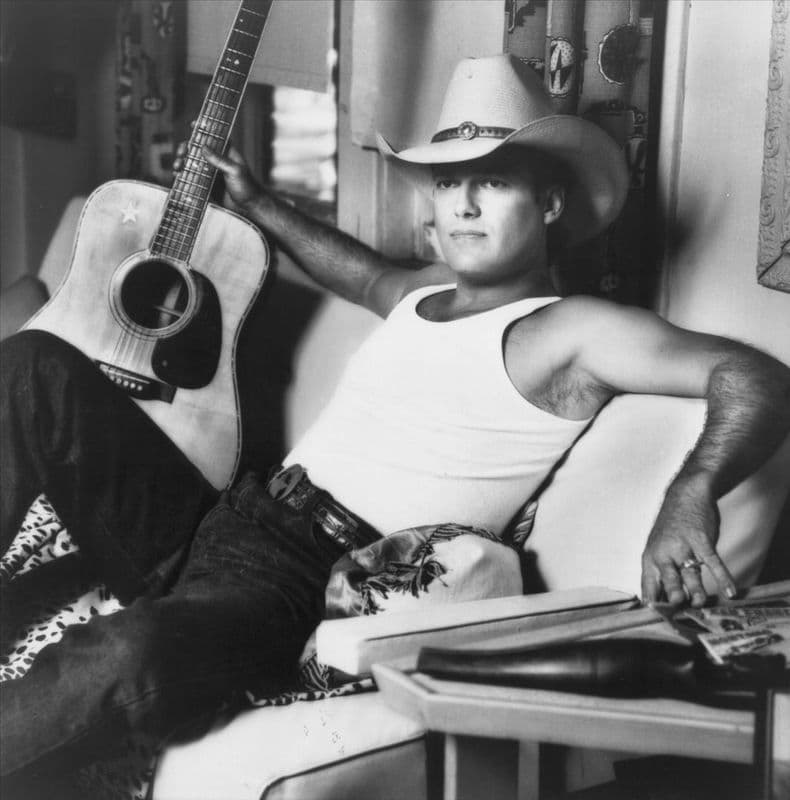
Among the many gospel recordings that shaped the later years of Ricky Van Shelton, “Precious Lord Take My Hand” stands apart as a deeply reverent interpretation of one of the most enduring hymns in American music. Unlike Shelton’s chart-topping country hits that carried him to fame, this recording was not built around commercial success or Billboard achievements. Instead, it appeared within his gospel repertoire, including releases such as “Amazing Grace – A Country Salute to Gospel, Vol. 2,” where his warm, unmistakable baritone found a natural home in songs of faith and spiritual reflection.
To understand the emotional power of “Precious Lord Take My Hand,” one must first understand the extraordinary history of the song itself. Written by gospel pioneer Thomas A. Dorsey, the hymn emerged from profound personal tragedy. After the deaths of his wife and newborn son in 1932, Dorsey transformed unbearable grief into a prayer that would eventually become one of the most beloved gospel songs ever written. Published in 1938, the hymn transcended church walls and became a source of comfort for generations facing sorrow, uncertainty, and loss.
What makes Ricky Van Shelton’s rendition particularly moving is its restraint. He does not approach the song as a showcase for vocal power. Instead, he sings it as though he is standing beside the listener, sharing a burden rather than performing for an audience. That quality has always been central to Shelton’s artistry. Throughout his career, he possessed a rare ability to make songs feel lived rather than merely sung. In “Precious Lord Take My Hand,” that gift reaches its fullest expression.
The lyrics are deceptively simple. There are no elaborate metaphors or dramatic twists. The song is, at its heart, a plea for guidance: a weary soul asking for strength when the road grows dark. Yet those few words carry enormous emotional weight. Every line speaks to a universal human experience—the realization that there are moments when determination alone is not enough, when comfort must come from something greater than ourselves.
Musically, the hymn moves with quiet dignity. Its melody unfolds like a slow prayer, allowing every phrase to breathe. Shelton’s voice settles naturally into that space, never rushing, never forcing emotion. The result is a performance that feels timeless, connecting country music’s storytelling tradition with gospel music’s spiritual depth.
The cultural legacy of “Precious Lord Take My Hand” extends far beyond any individual recording. It was a favorite of Martin Luther King Jr. and became deeply associated with the Civil Rights Movement, symbolizing hope, endurance, and faith in the face of suffering. That history adds another layer of meaning to every interpretation, including Shelton’s.
Decades after it was written, the song continues to resonate because its message never grows old. Life inevitably brings moments of exhaustion, heartbreak, and uncertainty. In those moments, “Precious Lord Take My Hand” offers neither easy answers nor false promises. Instead, it offers companionship—a gentle assurance that even in the darkest valley, one does not have to walk alone. And in the steady, heartfelt voice of Ricky Van Shelton, that assurance feels as comforting today as it did generations ago.