
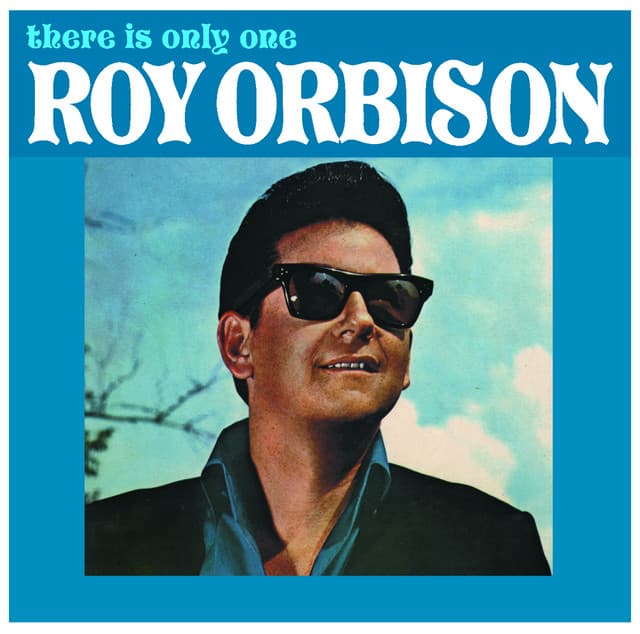
A quiet confession of vulnerability where love lingers even in the dark
Afraid To Sleep by Roy Orbison occupies a unique and intimate corner of his recorded legacy. It was not released as a commercial single and therefore did not register on the charts at the time, instead emerging later through archival releases and compilations drawn from Orbison’s MGM era recordings. Most listeners encountered the song through retrospective collections such as The Soul of Rock and Roll, where it stood apart from the grand, operatic hits that defined his public image. Performed and written by Roy Orbison, the track reveals an artist at his most exposed, offering something closer to a private confession than a performance designed for radio dominance.
What makes Afraid To Sleep so arresting is its refusal to dramatize heartbreak in the way Orbison was famous for doing. There is no thunderous crescendo, no soaring vocal ascent meant to overwhelm the listener. Instead, the song settles into a hushed psychological space, where fear is not loud or theatrical but persistent and deeply human. Sleep, usually a refuge, becomes something to resist. In Orbison’s hands, the night is not merely a setting but a state of mind, one where memory sharpens and absence becomes unbearable.
Lyrically, the song revolves around the idea that rest invites recollection. To sleep is to surrender control, to allow thoughts of a lost or distant love to surface without restraint. This theme runs quietly but powerfully through the song, reflecting Orbison’s lifelong fascination with emotional endurance. His characters often survive love rather than conquer it, and here survival takes the form of staying awake, clinging to consciousness as a fragile defense against longing.
Musically, Afraid To Sleep is restrained and deliberate. The arrangement avoids excess, giving Orbison’s voice room to communicate subtle shifts in feeling. His vocal delivery is remarkably intimate, almost conversational, yet weighted with that unmistakable ache that defined his greatest performances. Even without vocal acrobatics, the emotional tension is unmistakable. Each phrase feels measured, as if the singer is choosing his words carefully to avoid collapsing under their meaning.
Within Orbison’s broader body of work, this song functions as a counterpoint to his more famous epics like Crying or In Dreams. Those songs dramatize emotional loss through scale and intensity, while Afraid To Sleep internalizes it. The fear here is quiet, domestic, and ongoing. It does not explode, it lingers. This quality has helped the song earn a devoted following among listeners who value Orbison not only as a master of melodrama but as a subtle chronicler of emotional vulnerability.
Over time, Afraid To Sleep has become a reminder of how much of Roy Orbison’s artistry lived beyond the charts. It captures the essence of an artist who understood that the most profound suffering is often the least visible. In this song, love does not end in spectacle. It ends in wakefulness, in the long hours of night when memory refuses to let the heart rest.