
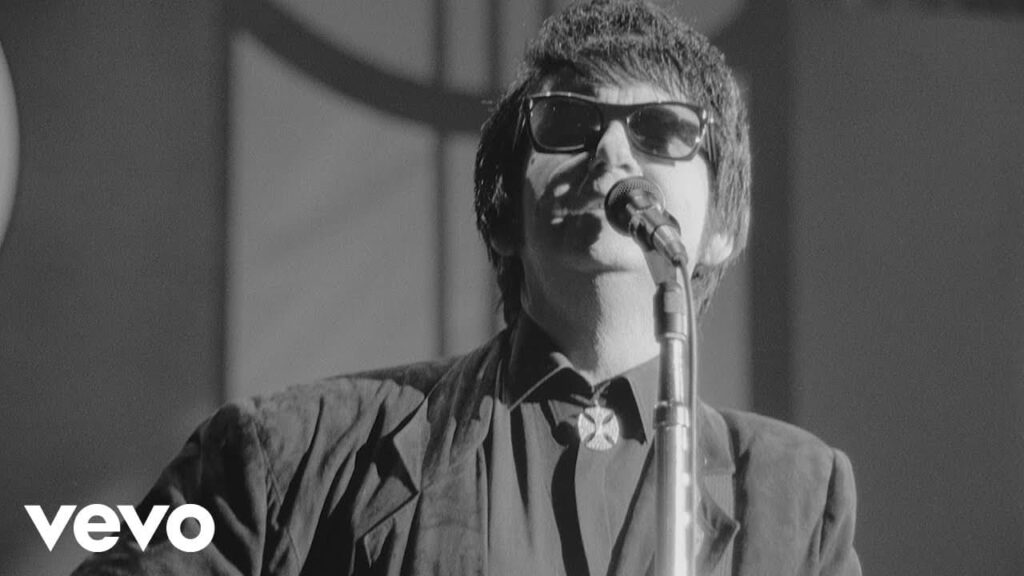
A quiet plea rises from the city streets and turns into one of Roy Orbison’s most understated early testaments to longing and class divides.
When Roy Orbison released Uptown in 1960 under Monument Records, the single climbed to a modest position on the Billboard Hot 100, reaching number 72, and later found a home on his 1961 album Lonely and Blue, a record that helped crystallize the emotional landscape he would soon dominate. Even in its early chart life, Uptown marked a turning point. It signaled the emergence of Orbison’s mature artistic identity, a departure from his earlier rockabilly work and a step toward the operatic vulnerability that would define his legacy.
At its core, Uptown is a study in contrasts. The song moves between the simplicity of everyday struggle and the shimmering world of wealth that remains just out of reach. Orbison sings from the perspective of a working man who toils in the shadow of affluence, watching the privileged glide effortlessly through a world he can only witness from below. The emotional power of the track emerges not from overt drama but from a quiet ache. The restrained vocal performance allows every word to settle in the listener’s chest. Orbison does not shout his despair. He reveals it gently, with the kind of patient, dignified sorrow that belongs to those who have endured hardship long enough to stop expecting deliverance.
The arrangement reinforces this emotional balance. The song blends early Nashville elements with a polished pop sensibility, using strings and gentle percussion to create a sense of distance that mirrors the divide described in the lyrics. The orchestration lifts the narrative upward, hinting at beauty and aspiration even as the storyline remains grounded in reality. The effect is a sound that feels both intimate and cinematic. This duality would become a hallmark of Orbison’s work and set the stage for later triumphs like Crying and In Dreams.
What gives Uptown its enduring weight is the way it frames longing as something noble rather than pitiable. The protagonist does not resent the world above him. Instead, he observes it with a mixture of yearning and acceptance. The song resists bitterness. Its emotional intelligence lies in its quiet recognition that desire is part of the human condition. The city becomes a metaphor for the distances we all navigate. There is always someone living a life more gilded than our own, and somewhere inside us remains the small but steady hope that we might one day reach that height.
In the broader arc of Orbison’s career, Uptown stands as an early blueprint for the emotional architecture he would soon build on a monumental scale. The song reveals a young artist already fluent in the language of heartbreak, already attuned to the way music can give dignity to invisible lives. It is a glimpse of the profound storyteller he would become, and it still resonates today as a tender portrait of ambition, limitation, and the quiet resilience of the human spirit.