
A public confession wrapped in regret, reconciliation, and the quiet ache of growing older
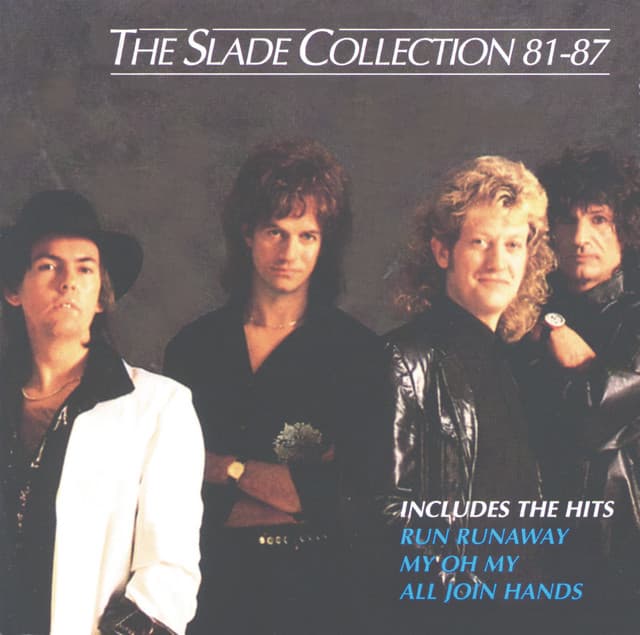
Released in 1983, My Oh My by Slade rose swiftly to number 2 on the UK Singles Chart and became one of the most emotionally resonant moments on the album The Amazing Kamikaze Syndrome. Coming from a band long celebrated for volume, bravado, and communal roar, the song arrived as something altogether different. It was reflective rather than defiant, inward looking rather than explosive, and its chart success signaled that listeners were ready to follow Slade into more contemplative territory.
At its heart, My Oh My is a song about apology, but not the hurried or performative kind. Written by Noddy Holder and Jim Lea, it unfolds like a letter that took years to compose and even longer to send. The narrator speaks from a position of lived consequence, acknowledging harm done not with excuses but with clarity. There is no attempt to soften the truth. Instead, the song leans into accountability, allowing remorse to exist alongside a fragile hope for forgiveness.
Musically, the track supports this emotional weight with restraint. The arrangement is measured and patient, allowing space between phrases so that each admission can breathe. The melody carries a gentle downward pull, mirroring the humility of the lyrics, while the chorus opens just enough to suggest release without ever promising redemption. Holder’s vocal performance is central to the song’s power. Known for his commanding presence, he here adopts a tone that is weathered and sincere, as if singing from the far side of experience rather than its heat.
Lyrically, My Oh My resonates because it avoids specificity while remaining deeply personal. The words never outline a single event or relationship, which allows the song to function as a universal reckoning. It becomes a mirror for anyone who has looked back and recognized moments where pride, silence, or carelessness caused lasting damage. The repeated refrain feels less like a hook and more like a mantra, an admission that cannot be undone but must be spoken aloud.
Within the broader arc of Slade’s career, the song stands as evidence of maturity rather than retreat. It does not abandon the band’s identity so much as expand it, proving that emotional honesty can be just as anthemic as celebration. In the context of early 1980s pop and rock, My Oh My also occupies a unique cultural space. It bridges the communal spirit of classic British rock with a more introspective songwriting approach that would define much of the decade.
Decades on, My Oh My endures because it understands something timeless. Regret does not age, and neither does the need to say what should have been said sooner. The song remains a quiet testament to the power of humility, captured by a band unafraid to lower its voice and speak the truth.