
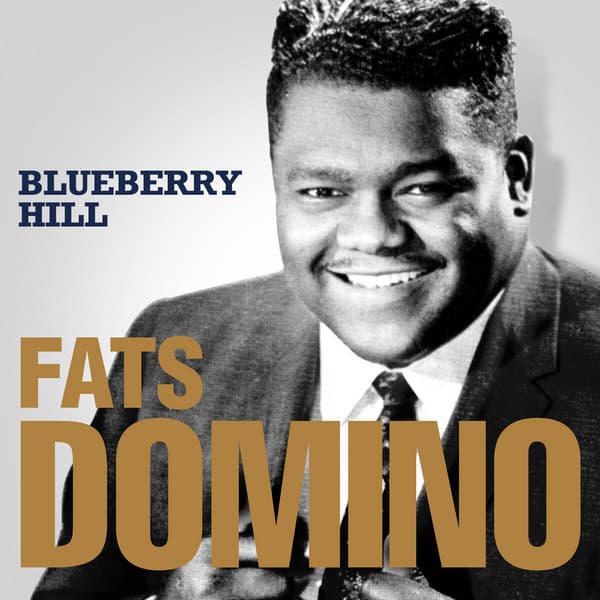
A tender plea drifting through distance, where love calls out but fears it may never be heard
Released during the golden run of Fats Domino, Don’t You Hear Me Calling You arrived as part of the album This Is Fats Domino!, a record that helped define his early dominance in rhythm and blues and pop crossover success. While not among his most commercially towering singles, the song belongs to a catalog that consistently placed Fats Domino on the charts throughout the mid to late 1950s, a period when his warm New Orleans sound bridged racial and musical divides in American popular music.
What distinguishes Don’t You Hear Me Calling You is not spectacle, but restraint. It is a quiet cry wrapped in melody, carried by Domino’s unmistakable voice, which never strains for attention but instead invites the listener inward. His delivery is conversational, almost disarmingly simple, yet beneath that simplicity lies a profound emotional weight. This was always the genius of Fats Domino. He did not dramatize heartbreak. He humanized it.
The song unfolds like a late night confession. There is no anger here, no grand declaration of betrayal. Instead, it leans into longing, into the fragile hope that distance can be closed if only the other person is willing to listen. The repeated sentiment of calling out becomes more than just a lyrical device. It transforms into a metaphor for emotional disconnect, for the aching space between two people who once understood each other without words.
Musically, the arrangement reflects the signature architecture of Domino’s recordings. The rolling piano lines, deeply rooted in New Orleans rhythm and blues, create a gentle forward motion, like footsteps pacing a quiet room. The rhythm section remains steady and unintrusive, allowing the vocal to sit at the center. There is an intimacy in this balance. Nothing competes. Everything serves the feeling.
This restraint also speaks to the broader context of This Is Fats Domino!, an album that showcased his ability to translate the regional language of New Orleans into something universally accessible. By the time this record reached listeners, Domino had already established himself as a cultural bridge, bringing rhythm and blues into living rooms that had never before embraced it. Songs like Don’t You Hear Me Calling You reveal how he achieved that. Not through force, but through sincerity.
In the end, the song lingers because it captures a moment most listeners recognize but rarely articulate. The moment when reaching out feels both necessary and uncertain. When the act of calling becomes an act of vulnerability. Fats Domino understood that such moments did not require grandeur. They required honesty.
And in that honesty, Don’t You Hear Me Calling You continues to echo, not loudly, but persistently, like a voice carried on the night air, waiting for someone, somewhere, to answer.