
A MAN WHO WALKS OUT THE DOOR ONLY TO DISCOVER HIS HEART NEVER LEFT
When Begging to You arrived in late 1963, it became the tenth No. 1 country hit for Marty Robbins, holding the top position on Billboard’s country chart for three weeks and remaining on the chart for nearly six months. The song was later associated with his 1968 album I Walk Alone, a record steeped in loneliness, pride, and emotional exhaustion. Even among Robbins’ long catalogue of cowboy ballads and heartbreak laments, this song stood apart because it stripped away mythology entirely. There are no gunslingers here. No western landscapes. Only humiliation, dependency, and the unbearable weakness of returning to someone who already knows they have won.
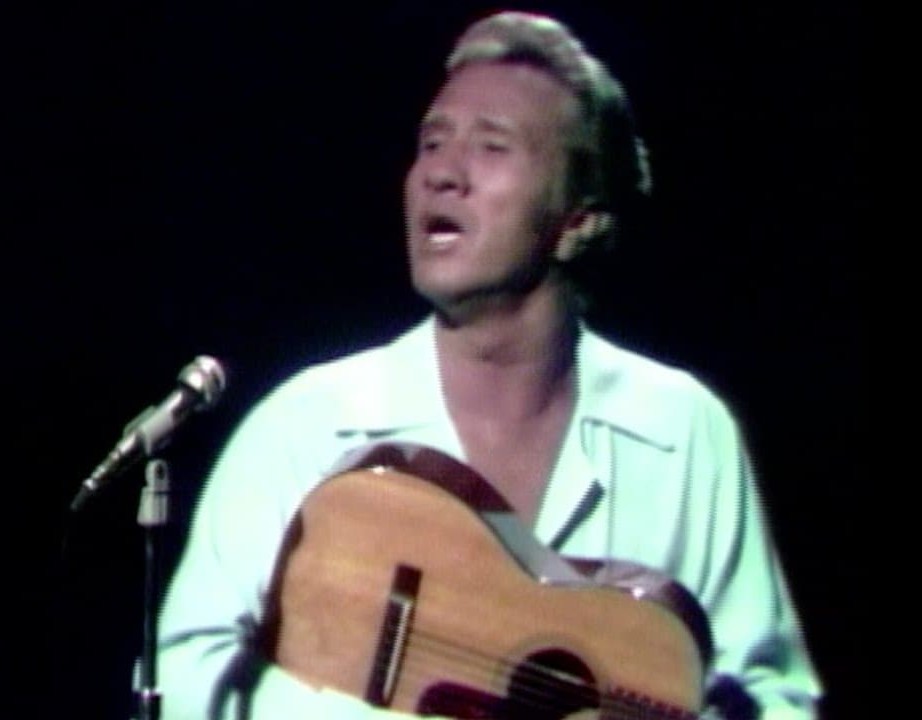
What makes the live performances of Begging to You so devastating is the restraint Robbins carried into every line. He never attacked the lyric theatrically. He sang it with the calm resignation of a man too tired to pretend he still possesses dignity. That was one of Marty Robbins’ rare gifts as a vocalist. He understood that heartbreak often sounds quieter than audiences expect. Instead of exploding emotionally, he leaned inward, softening phrases until they almost disappeared into the band behind him.
The lyric itself is brutally self-aware. The narrator understands the imbalance completely. He knows the other person enjoys the power. He recognizes that staying means surrendering pride piece by piece. Yet he returns anyway. Country music had always explored heartbreak, but Robbins approached it from a psychologically sharper angle. This is not merely sadness. It is emotional dependency laid bare. The line about being kept around “just to walk on so you won’t touch the ground” remains one of the cruelest images in classic country songwriting because it captures emotional exploitation without ever sounding melodramatic.
Musically, the song mirrors that emotional imprisonment. The arrangement moves with a slow, deliberate inevitability, almost like footsteps returning to a place the singer swore he would leave forever. Robbins’ phrasing stretches against the rhythm just enough to create tension, giving the impression that each confession costs him something. Even the pauses feel wounded.
By the early 1960s, Marty Robbins had already become one of country music’s most versatile figures. He could move from western epics like El Paso to polished Nashville ballads without losing authenticity. But Begging to You revealed another side of him entirely: the interpreter of emotional surrender. It exposed the fragility beneath the polished voice and immaculate suits.
That is why the song continues to endure decades later. Not because it offers comfort, but because it refuses to. It understands a painful truth most love songs avoid: sometimes people recognize the damage being done to them and still cannot walk away. In Marty Robbins’ hands, that weakness became art, and in live performance, it became something even harder to forget — a public confession delivered with the stillness of a man who already knows the ending.