
A Pop Anthem About Emotional Whiplash Disguised as Teenage Joy
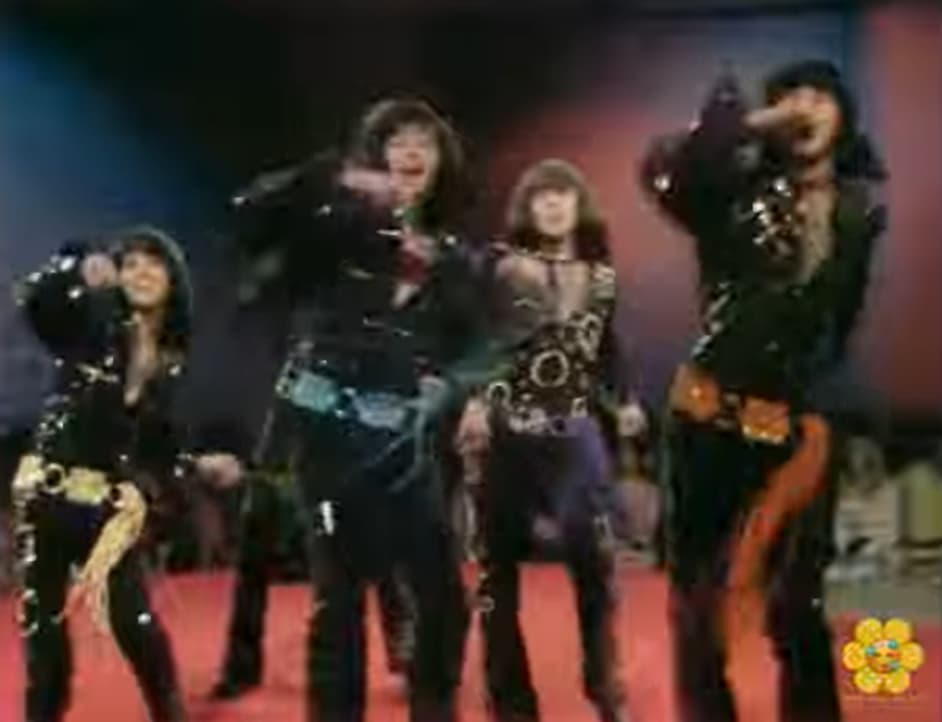
When The Osmonds stormed onto The Flip Wilson Show on September 16, 1971 to perform “Yo-Yo,” America was witnessing more than another television appearance from a clean-cut family act. The single, released from the forthcoming Phase III album, would soon climb to No. 3 on the Billboard Hot 100 and reach No. 1 in Canada, becoming one of the defining records of the group’s transition from bubblegum idols into something sharper, louder, and unexpectedly soulful. Written originally by Joe South and first recorded by Billy Joe Royal in 1966, the song found entirely new life in the hands of the Osmond brothers.
What made “Yo-Yo” remarkable was not simply its commercial success, but the tension hidden beneath its bright, kinetic surface. On paper, the song sounds playful — almost frivolous. A yo-yo rises and falls, pulled helplessly by someone else’s hand. Yet the metaphor carries a sting of emotional instability that resonated deeply within early-1970s pop culture. The narrator is trapped in a cycle of attraction and rejection, lifted up only to be dropped again. In another era, the song might have been delivered as Southern blue-eyed soul or melancholy country-pop. But The Osmonds attacked it with youthful urgency, transforming heartache into propulsion.
Their version arrived at a fascinating crossroads in American pop music. By late 1971, the innocence of the previous decade was fading. Rock music had become heavier, singer-songwriters were growing introspective, and teen pop was often dismissed as disposable. Yet The Osmonds occupied an unusual middle ground. They carried the polished television friendliness of the 1960s, but behind that image was a band increasingly drawn toward muscular rhythm sections, sharper guitar work, and a more aggressive vocal attack. “Yo-Yo” captures that transformation in real time.
Listen closely to the record and the performance energy becomes impossible to ignore. Merrill Osmond’s lead vocal is restless and elastic, pushing against the groove with almost frantic enthusiasm. The rhythm section, shaped by the Muscle Shoals production sensibilities associated with producer Rick Hall, gives the song far more grit than its teen-idol packaging initially suggests. There is a pulse underneath the polish — something sweaty, immediate, and alive. That is precisely why the song endured while so many bubblegum hits of the era faded into novelty.
The September 1971 television performance added another layer to its legacy. On variety television, where artists were often expected merely to entertain, The Osmonds projected genuine performance intensity. Their synchronized movement, relentless momentum, and sheer conviction made “Yo-Yo” feel less like choreography and more like emotional combustion dressed in matching suits. It reflected an era when family-friendly entertainment still had room for raw adolescent desperation hiding beneath the smiles.
In retrospect, “Yo-Yo” stands as one of the most revealing records in the Osmonds’ catalog. It documented the exact moment the group stopped being viewed solely as America’s wholesome singing brothers and began edging toward a more mature rock-oriented identity that would soon explode with records like “Down by the Lazy River” and the harder-edged material of Phase III. The brilliance of the song lies in its contradiction: it sounds exuberant, yet it aches with emotional exhaustion. Few pop singles of 1971 balanced those opposing forces so effortlessly.