
A love remembered too late becomes the heaviest burden a heart can carry.
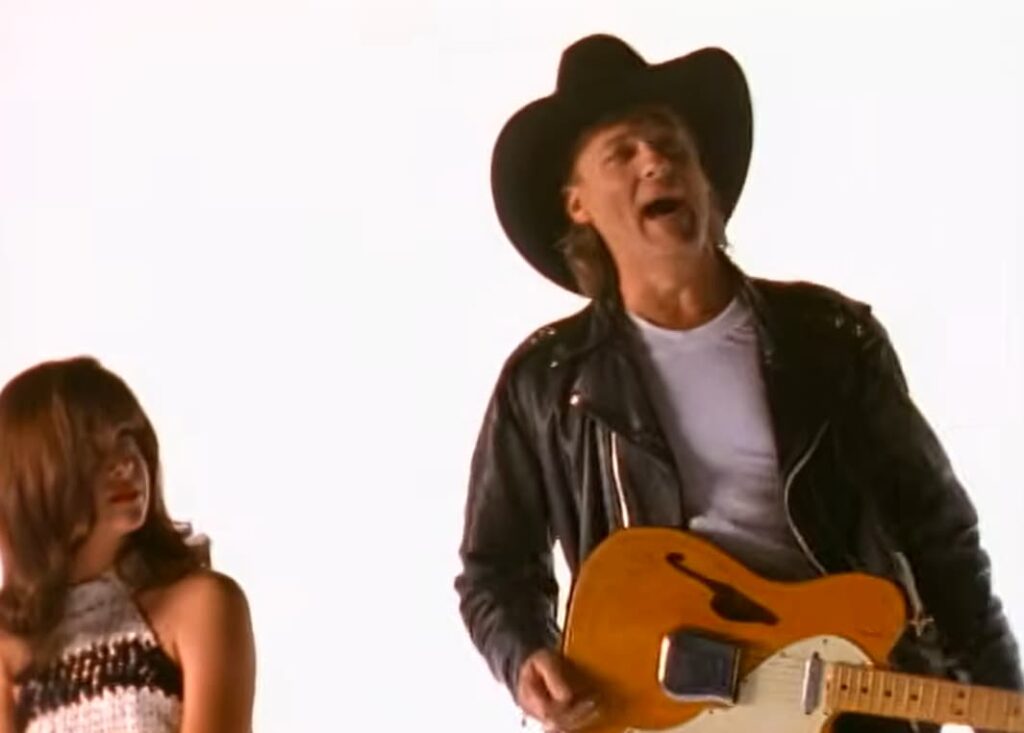
Few songs in Ricky Van Shelton‘s catalog capture the quiet devastation of regret as profoundly as “Where Was I.” Released in 1994 as part of the acclaimed album Love and Honor, the song continued Shelton’s remarkable run as one of traditional country music’s defining voices during the late 1980s and early 1990s. Although it was not among the towering chart-toppers that established his reputation, “Where Was I” earned a respectable place on the Billboard Hot Country Singles & Tracks chart, reinforcing Shelton’s enduring connection with listeners who valued sincerity over spectacle. Nestled within Love and Honor, the recording reflects an artist who had already mastered the art of delivering emotional truth through restrained, deeply expressive performances rather than theatrical excess.
The enduring strength of “Where Was I” lies not in dramatic twists or elaborate storytelling, but in the devastating simplicity of its central question. Country music has long explored broken relationships, missed opportunities, and the irreversible consequences of emotional neglect, yet this song approaches those familiar themes with remarkable introspection. Instead of assigning blame to fate or circumstance, the narrator turns inward, confronting the painful realization that love was quietly slipping away while he remained emotionally absent. The title itself functions as both confession and indictment. “Where was I?” is not merely a question directed toward memory—it is a reckoning with one’s own failures, a recognition that the moments defining a relationship are often the ordinary ones that pass unnoticed until they can never be reclaimed.
That emotional restraint is one of Ricky Van Shelton‘s greatest artistic gifts. His vocal performance avoids exaggerated heartbreak, allowing subtle phrasing and understated conviction to communicate emotions that many singers might overwhelm with force. Every line carries the weary wisdom of someone looking backward with painful clarity. Shelton understood that country music’s deepest sorrows rarely require raised voices; they emerge instead through quiet honesty, where every pause carries as much meaning as every lyric. His smooth baritone, rooted in the traditions of classic Nashville storytelling, transforms the song into something intensely personal while remaining universally recognizable.
Musically, “Where Was I” embraces the timeless craftsmanship that defined so much of Shelton’s work. Gentle acoustic guitars, understated steel guitar accents, and unobtrusive rhythm instrumentation create an atmosphere of reflection rather than melodrama. The arrangement never competes with the narrative. Instead, it leaves generous space for the lyrics to breathe, allowing listeners to inhabit the emotional landscape alongside the narrator. This balance between traditional instrumentation and emotional intimacy exemplifies why Shelton became one of the leading voices preserving classic country sensibilities during an era when the genre was rapidly evolving toward more polished commercial production.
Beyond its immediate story of romantic regret, “Where Was I” resonates because it speaks to a universal human experience: recognizing the value of someone only after they are gone. The song captures that uniquely painful moment when hindsight illuminates countless overlooked gestures, forgotten conversations, and opportunities to love more completely. It reminds listeners that relationships rarely collapse in a single dramatic instant; more often, they fade through accumulated absences, unnoticed until silence replaces companionship. That emotional truth has given the recording a quiet longevity among fans who appreciate country music’s ability to illuminate life’s ordinary tragedies.
Within the broader legacy of Ricky Van Shelton, “Where Was I” stands as a testament to the enduring power of traditional country storytelling. It may not occupy the same commercial pedestal as some of his signature hits, but its emotional authenticity has allowed it to endure in the hearts of listeners who recognize themselves in its questions. Decades after its release, the song remains a poignant reminder that the most haunting words in any love story are often not “goodbye,” but the realization that we were not fully present when it mattered most.