
A Timeless Journey Home, Where Memory, Longing, and Landscape Become One
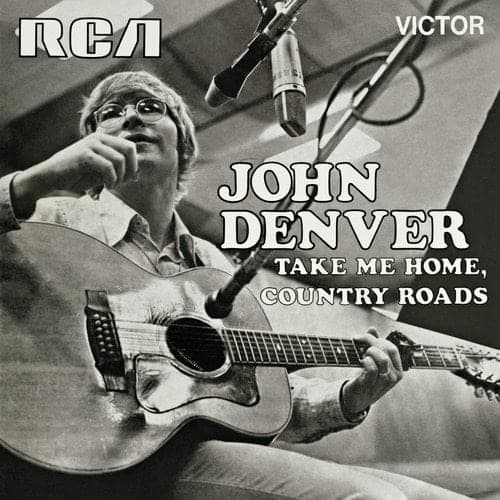
Few songs have achieved the rare distinction of becoming both a commercial triumph and a cultural touchstone quite like “Take Me Home, Country Roads” by John Denver. Released in 1971 as the lead single from the landmark album Poems, Prayers & Promises, the song quickly climbed to No. 2 on the Billboard Hot 100, establishing John Denver as one of the defining voices of the American singer-songwriter movement. While its chart success was impressive in its own right, the song’s enduring legacy reaches far beyond statistics. Decades after its release, “Take Me Home, Country Roads” remains one of the most universally beloved folk-country anthems ever recorded—a melody capable of stirring homesickness in listeners regardless of where they call home.
The remarkable story behind the song begins not in the mountains of West Virginia, but with an unexpected spark of imagination. Songwriters Bill Danoff and Taffy Nivert had originally been developing the composition before inviting John Denver to hear it after a performance in Washington, D.C. Denver immediately recognized its extraordinary emotional power. Together, the trio refined the lyrics deep into the night, polishing verses and shaping the unforgettable chorus that would soon become etched into popular culture. It was a collaborative effort that felt almost destined, with Denver’s warm tenor and sincere delivery providing the perfect voice for a song that celebrated not simply a place, but an emotional state.
Perhaps the greatest achievement of “Take Me Home, Country Roads” lies in its ability to transform geography into memory. The lyrics evoke familiar landmarks—the Blue Ridge Mountains, the Shenandoah River—but these references function as more than descriptive scenery. They become symbols of belonging, representing an idealized homeland that exists as much in the heart as on any map. Whether listeners have ever set foot in West Virginia is almost beside the point. The song invites everyone to project their own childhood landscapes, family traditions, and cherished memories onto its canvas.
Musically, the arrangement is equally essential to its lasting appeal. Gentle acoustic guitar, understated percussion, and rich vocal harmonies create an atmosphere of effortless warmth. Rather than overwhelming the listener with elaborate production, the recording leaves room for Denver’s voice to communicate quiet sincerity. Every phrase feels conversational, as though sung around a campfire or across a front porch at sunset. This restraint gives the chorus its remarkable emotional release; when the familiar refrain arrives, it feels less like a performance than a collective memory shared between artist and audience.
The song also occupies a fascinating place within the broader landscape of American popular music. Emerging during an era when urbanization, social upheaval, and cultural change defined much of the national conversation, “Take Me Home, Country Roads” offered something refreshingly uncomplicated. It did not argue for a political vision or challenge prevailing norms. Instead, it reminded listeners of universal human desires: connection, peace, and the comfort of returning to a place that shaped one’s identity. That emotional honesty transcended genres, allowing the song to find devoted audiences among fans of folk, country, pop, and even rock.
Over the decades, “Take Me Home, Country Roads” has taken on a life few recordings ever experience. It has become a communal anthem sung at sporting events, family gatherings, concerts, and celebrations around the world. Countless artists have recorded their own interpretations, yet the original remains definitive because it captures something impossible to manufacture: genuine affection. John Denver never performs the song as though he is portraying nostalgia; he inhabits it completely. That authenticity explains why each generation continues to discover the recording anew. Long after its initial chart run ended, “Take Me Home, Country Roads” still serves as a reminder that the idea of home is rarely confined to a single destination. Sometimes it is a melody, a memory, or a voice that gently calls us back to the people and places that shaped who we are.