
A SONG ABOUT LOVE THAT NEVER TRULY LEAVES, EVEN AFTER THE HEART HAS LEARNED TO LIVE WITHOUT IT
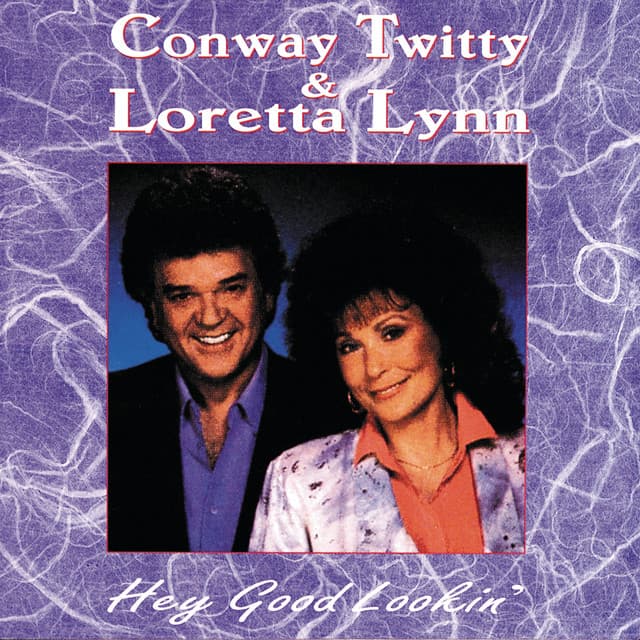
When Faded Love appeared in the repertoire of Conway Twitty and Loretta Lynn, it carried with it the long shadow of American country tradition. Their version, later included on the 1988 compilation Hey Good Lookin’, was never pushed as a major standalone chart single in the way many of their legendary duets had been, yet it arrived during a period when the pair had already cemented themselves as one of country music’s defining vocal partnerships. By then, Conway and Loretta were not merely hitmakers. They were interpreters of emotional memory itself, artists capable of taking an old standard and making it sound lived in rather than revived.
The song itself reaches much further back than their recording. Written by Bob Wills with members of the Wills family, Faded Love had already become one of the sacred texts of Western swing long before Conway and Loretta touched it. It is a composition built on simplicity, but that simplicity is deceptive. Beneath the restrained melody lies one of country music’s most enduring emotional truths: some heartbreaks do not explode dramatically. They simply settle into the soul and remain there quietly for decades.
That is precisely why Conway Twitty and Loretta Lynn were such ideal custodians for the song.
By the late 1970s and into the 1980s, their voices had developed a kind of emotional weathering that younger singers could never imitate. Conway’s delivery had grown softer and heavier with experience, while Loretta Lynn possessed that unmistakable Appalachian honesty, a voice that could sound wounded and strong in the same breath. Together, they approached Faded Love not as theatrical performers trying to dramatize pain, but as adults carrying memories they already understood too well.
There is remarkable restraint in the arrangement. The steel guitar drifts through the recording like distant recollection, never overwhelming the vocal lines. The tempo never rushes. Nothing is forced. That patience is essential to the song’s power. Country music, at its finest, understands that sorrow rarely arrives loudly. It lingers in pauses, in familiar rooms, in names no longer spoken aloud.
The lyrical perspective of Faded Love is especially haunting because it refuses bitterness. The narrator does not seek revenge, redemption, or even closure. What remains is memory itself. The love may have faded, but the emotional imprint has not. In many ways, the song speaks to the central philosophy of classic country music: people survive heartbreak not by forgetting, but by learning how to carry it.
That emotional maturity became the hallmark of Conway and Loretta’s greatest recordings together. Unlike many duet partners who relied on romantic chemistry alone, they specialized in emotional realism. Their performances often sounded less like fantasy and more like conversations between two people who had already lived through disappointment, loyalty, compromise, and longing. In Faded Love, that realism becomes almost unbearably intimate.
Decades later, the recording still feels timeless because it avoids sentimentality. It does not beg the listener to cry. It trusts silence, melody, and memory to do the work. That confidence is what separates enduring country music from disposable nostalgia.
And perhaps that is why the song continues to resonate. Not because it tells listeners something new about heartbreak, but because it reminds them of something they already know and have spent years trying to forget.