
Sometimes the Greatest Love Stories Are About Waiting, Not Winning
When Conway Twitty released “Next in Line” in 1968, the song marked a defining moment in his transformation from rock-and-roll star to country music giant. Issued as the title track of the album Next in Line, the single climbed to No. 1 on Billboard’s Hot Country Singles chart, becoming Twitty’s first country chart-topper and the beginning of one of the most remarkable runs of success in country music history. Though the performance discussed here is the celebrated live rendition from 1970, the emotional power of the song was already firmly established by the time Twitty brought it to concert audiences.
What makes “Next in Line” so enduring is its refusal to dramatize heartbreak in the conventional way. Country music has long been filled with tales of lost love, jealousy, and regret, yet this song occupies a quieter, more reflective space. The narrator is not the man who has won the woman’s heart, nor is he the one who broke it. He is the observer standing in the shadows, watching someone he loves suffer because her affections belong to another. Instead of demanding attention or seeking revenge, he waits patiently, hoping that one day she might finally see the devotion that has always been there.
That emotional restraint is the song’s greatest strength. Written by Wayne Kemp and Curtis Wayne, “Next in Line” captures a feeling that is almost universally understood yet rarely celebrated in popular music: the loneliness of being the second choice. Rather than turning that position into bitterness, the song transforms it into an act of quiet loyalty. The narrator accepts his place, not because he lacks passion, but because he understands that love cannot be forced. His willingness to wait becomes its own kind of heartbreak.
Musically, the recording exemplifies the elegant Nashville sound that helped define late-1960s country music. The arrangement is understated, allowing Twitty’s unmistakable baritone to carry the emotional weight. Every phrase feels conversational, as though he is confiding in the listener rather than performing for them. The steel guitar sighs gently beneath the melody, while the rhythm section provides a steady pulse that mirrors the persistence of the narrator’s hope.
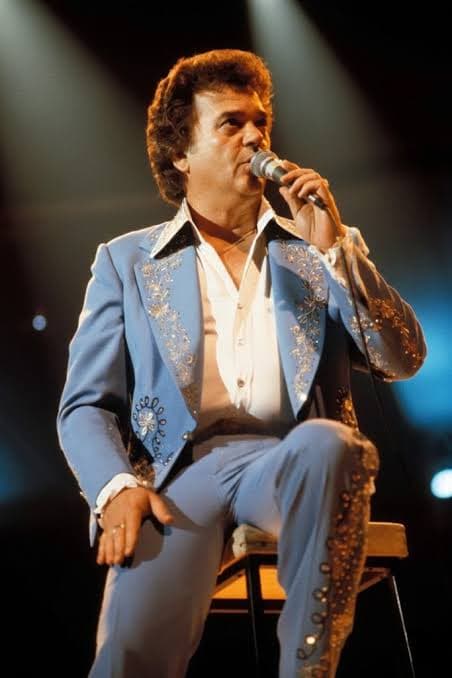
The 1970 live performances added another dimension to the song. By then, audiences already knew Conway Twitty as a master interpreter of romantic longing. On stage, he delivered “Next in Line” with a warmth and sincerity that made the story feel intensely personal. There was no need for grand gestures. Twitty understood that the song’s power lay in its honesty. The audience could recognize themselves in the man who waits, believing that patience might someday be rewarded.
More than half a century later, “Next in Line” remains one of the finest examples of classic country storytelling. It is a song about hope surviving disappointment, about dignity in the face of rejection, and about the enduring belief that love may arrive when its time is right. In an era increasingly drawn to instant gratification, its message feels even more poignant: sometimes the deepest devotion is found not in being first, but in having the courage to remain next in line.