
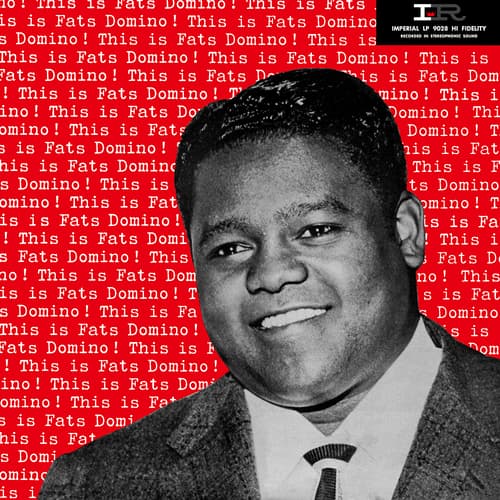
A quiet plea for devotion carried in the unmistakable warmth of New Orleans rhythm and blues.
When Fats Domino released his interpretation of Trust in Me during his early 1960s run on Imperial Records, it arrived in a period when he was already firmly established as one of the defining voices of postwar American music. Although the single did not command the same chart presence as his earlier breakouts, it reflected the artistic confidence of a musician who had already reshaped the national soundscape. Domino’s recording entered the public sphere with the steady assurance that characterized so much of his catalogue, and it aligned naturally with the string of deeply melodic, piano driven works associated with his most mature creative phase.
At the heart of Trust in Me is a distinct convergence of emotional restraint and melodic generosity. Domino adopts the standard with a sense of intimate calm, shaping the song into something that bears the contours of a whispered confession. His voice sits low and unhurried, phrasing each line as if tugged forward by memory rather than performance. The piano patterns, a signature element that anchored nearly all of his most enduring records, provide a measured, almost contemplative backdrop. There is nothing hurried in the arrangement. Instead, it honors the lyric’s quiet emotional architecture by letting space and breath become part of the composition.
The emotional core of the song is built on reassurance. Where many mid century rhythm and blues recordings rely on overt pleading or dramatic climaxes, Domino’s reading leans into trust itself as the central narrative force. He positions the lyric not as a demand but as an offering, allowing the repeated invocation of belief and loyalty to resonate with understated power. This approach illuminates one of the most compelling facets of his artistry. Domino seldom relied on flamboyance. His genius lay in his ability to animate simple declarations with sincerity, rhythm, and a profound sense of human warmth.
As the melody unfolds, the song reveals its deeper thematic currents. It becomes less a romantic appeal and more a reflection on emotional steadiness. Domino’s vocal timbre, rich and gravel edged, suggests years of lived experience, yet it retains the youthful tenderness that made his earliest hits so approachable. The tension between maturity and innocence shapes the performance, giving Trust in Me a dual nature. It feels like a love song addressed to one person, yet it also carries the communal spirit of his New Orleans roots, where music often served as a binding force among families and neighborhoods.
The legacy of Trust in Me rests not on chart placements or industry accolades but on the clarity of its sentiment and the quiet authority of its delivery. In Domino’s hands, the song becomes a study in emotional economy, an illustration of how a master interpreter can elevate a lyric by approaching it with honesty and restraint. It endures as a reminder of the subtle depth that defined his career and of the intimate spaces he created within the broader sweep of American rhythm and blues.