
Defiant Heart Refuses to Mend with Tarnished Promises
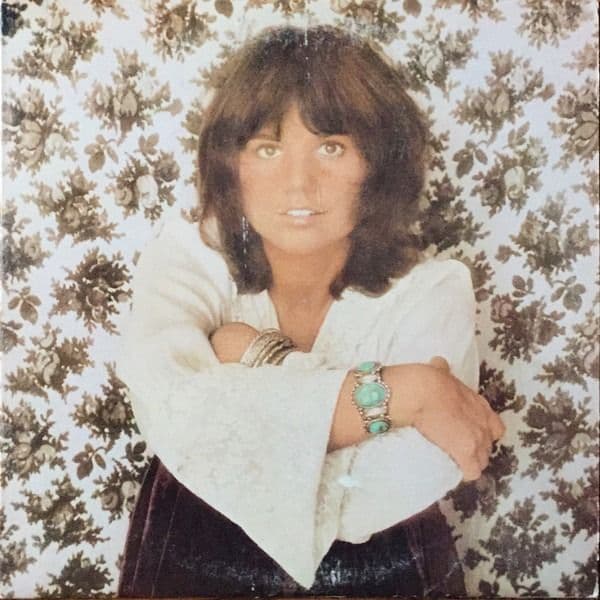
When Linda Ronstadt released Silver Threads And Golden Needles on her 1969 solo debut, Hand Sown… Home Grown, few could have predicted how this deceptively traditional country number would help define her artistic trajectory. Issued as a single, the song climbed into the Top 20 of the Billboard Hot Country Singles chart, announcing Ronstadt as a formidable new voice in a male-dominated Nashville establishment. The album itself has since been recognized as one of the foundational texts of country rock, and this track stands at its emotional and ideological center.
Yet Silver Threads And Golden Needles did not originate with Ronstadt. Written by Dick Reynolds and Jack Rhodes and first recorded by Wanda Jackson in the 1950s, it already carried the bones of honky-tonk defiance. What Ronstadt accomplished was not mere revival but reclamation. In her hands, the song shed any lingering novelty and emerged as a steely declaration of feminine autonomy at the dawn of the 1970s.
The lyric is stark in its symbolism. “Silver threads and golden needles cannot mend this heart of mine.” The image is domestic, almost quaint: sewing tools, delicate and precise. But the sentiment is unyielding. Wealth, ornament, and material security cannot repair betrayal. It is a rejection not only of a faithless lover but of a transactional view of love itself. In the cultural climate of the late 1960s, when traditional gender roles were being interrogated and reshaped, Ronstadt’s interpretation felt quietly radical. She does not plead. She does not bargain. She walks away.
Musically, the arrangement on Hand Sown… Home Grown bridges Bakersfield twang and the emerging Los Angeles country-rock aesthetic. The crisp electric guitars and driving rhythm section give the track propulsion, while Ronstadt’s voice soars above with a clarity that is both crystalline and cutting. There is no melismatic excess, no theatrical embellishment. Instead, there is conviction. Her phrasing carries a restrained anger that never boils over but simmers with unmistakable resolve.
In retrospect, the song reads as a manifesto for Ronstadt’s career. She would go on to become one of the defining interpreters of American song, moving effortlessly between country, rock, pop, and even operetta. But here, at the beginning, she plants her flag in the soil of emotional truth. The performance is not about vocal acrobatics; it is about integrity. About knowing one’s worth. About understanding that no amount of glitter can disguise a broken promise.
For listeners returning to Silver Threads And Golden Needles decades later, its power remains undiminished. It captures that moment when heartbreak hardens into clarity, when sorrow transforms into self-respect. In the grooves of that early vinyl pressing, one can hear the first clear statement from an artist who would spend a lifetime insisting that love, like music, must be authentic or not at all.