
Voice Preserved in Applause, Echoing Beyond the Final Curtain
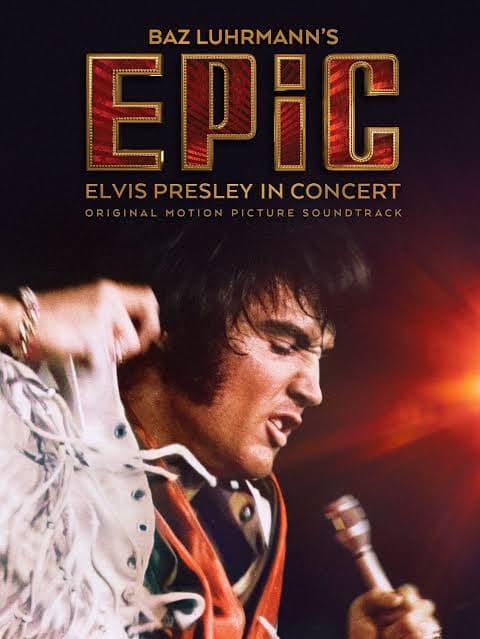
In October 1977, just weeks after his death, Elvis Presley returned to the charts with the posthumous release of Elvis in Concert, the soundtrack to the CBS television special drawn from his final tour. The album climbed to No. 5 on the Billboard 200 and reached No. 1 on the Country Albums chart, a striking testament to the enduring reach of his voice even as the man himself had already slipped into legend. Issued as a double LP, it captured performances from June 1977, presenting a portrait of an artist in his last public moments.
To listen now is to engage with something far more complex than a mere live recording. Elvis in Concert is not the triumphant roar of the 1968 comeback nor the polished swagger of the Las Vegas years. Instead, it stands as a raw document of vulnerability. His voice, once effortless and elastic, carries the weight of fatigue. Yet within that strain lies a peculiar gravity. When he sings “How Great Thou Art”, a song that had already earned him a Grammy in earlier incarnations, the performance trembles with spiritual urgency. It is less about technical perfection and more about a soul reaching upward.
The track list reads like a compressed autobiography. “That’s All Right” recalls the Sun Records ignition point. “Are You Lonesome Tonight?” resurfaces as a question more haunting than ever. “Can’t Help Falling in Love”, his customary closing number, feels almost unbearably poignant in retrospect. These songs, once buoyant emblems of youth and romance, are reframed by time. They are no longer merely hits; they are reflections.
Historically, the album has occupied an uneasy place in the Presley canon. Critics have often noted the unevenness of the performances, and the television special itself was met with discomfort for exposing the singer’s physical decline. Yet to dismiss it is to misunderstand its documentary power. This is not the mythic Elvis Presley of rhinestone invincibility. This is a human being under stadium lights, wrestling with expectation and legacy.
The applause that follows each number is thunderous, almost protective. It is as if the audience senses the fragility of the moment. In that tension lies the album’s lasting resonance. It is not about decline alone; it is about devotion. Fans responded not simply to nostalgia but to presence. Even in diminished form, his phrasing retains that unmistakable timbre, the gospel-rooted swell that could turn a simple lyric into testimony.
Elvis in Concert endures because it captures the paradox at the heart of stardom. The body falters. The myth grows. And the voice, weathered yet unmistakable, continues to rise above the noise, carried by the echo of an arena that did not yet know it was saying goodbye.