
A restless heart caught between dream and daylight, searching for love that refuses to arrive
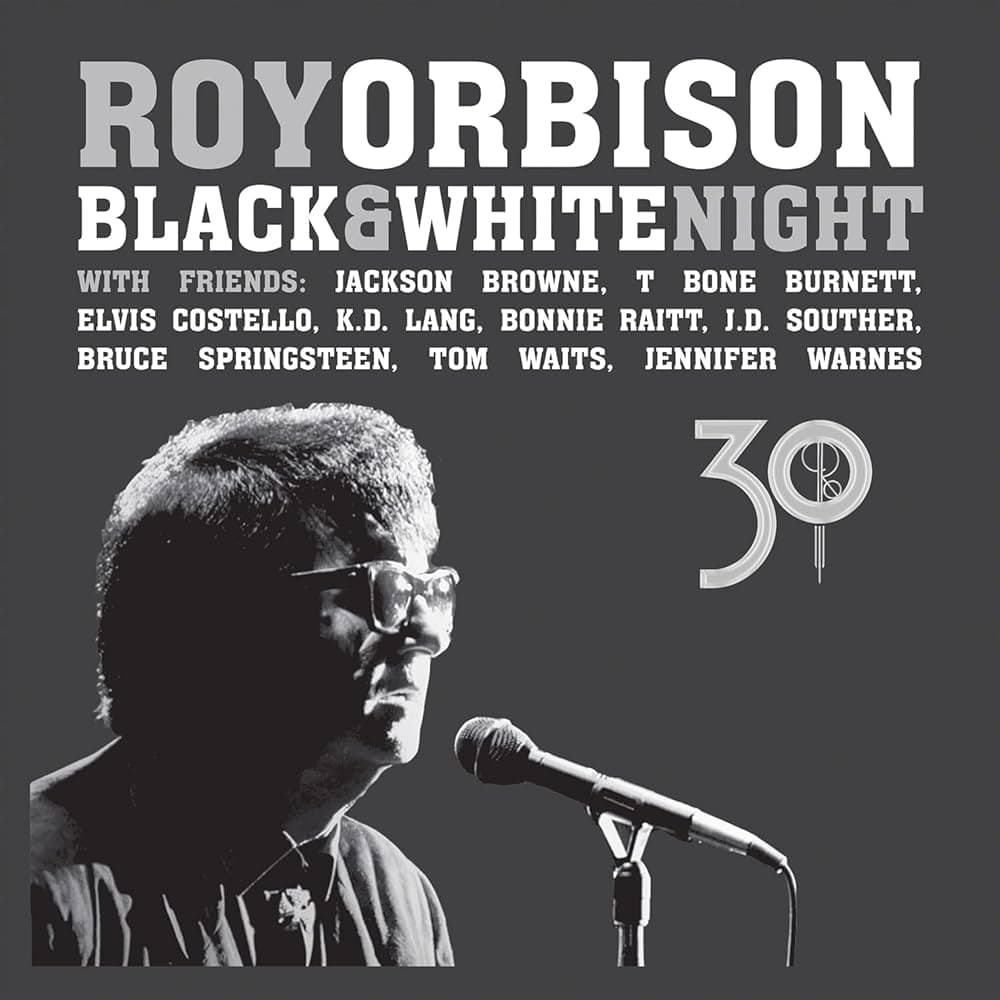
A surge of bright rhythm and aching hope defines “Dream Baby (How Long Must I Dream)”, one of the most buoyant yet emotionally restless recordings in the catalog of Roy Orbison. First released as a single by Roy Orbison in 1962 and later included on the album Crying, the song climbed to No. 4 on the Billboard Hot 100 and reached No. 2 in the United Kingdom. Written by the legendary songwriter Cindy Walker, the track captured a moment when Orbison’s career was ascending rapidly, his unmistakable voice beginning to dominate the soundscape of early-1960s pop. Decades later, the song would return to the spotlight when Roy Orbison delivered a spirited performance during the celebrated Black & White Night concert, later revisited in the anniversary release Black & White Night 30.
Unlike many Orbison recordings defined by sweeping orchestration and operatic sorrow, “Dream Baby (How Long Must I Dream)” pulses with a brisk, almost rockabilly momentum. Yet beneath its lively rhythm lies the familiar Orbison tension between longing and vulnerability. The narrator is trapped in the strange emotional territory between fantasy and reality, a lover who can only reach happiness in dreams. The question posed in the title becomes the song’s emotional engine. It is not merely a romantic complaint but an existential sigh from someone who has glimpsed love only in fleeting visions.
Cindy Walker, already revered in country songwriting circles, crafted a lyric that blends simplicity with universal ache. The imagery is deliberately uncomplicated. Dreams of a girl, the anticipation of waking, the disappointment when she disappears. That restraint allows Roy Orbison’s voice to carry the deeper emotional weight. His delivery does not wallow in despair. Instead, it carries a sense of urgency, almost optimism, as though the dream might become real at any moment.
This duality gives the song its enduring charm. The melody moves with the energy of early rock and roll, but Orbison’s voice injects a distinctive dramatic gravity. Even in a relatively upbeat arrangement, he cannot hide the vulnerability that defined his artistry. The result feels both lighthearted and quietly aching.
By the time Roy Orbison revisited the song during Black & White Night, the performance had gained another layer of meaning. The concert gathered an extraordinary ensemble of musicians and admirers who recognized Orbison as one of the most singular voices in American popular music. Hearing “Dream Baby (How Long Must I Dream)” in that setting reveals how timeless its emotional premise remains. Decades had passed, yet the question still lingered in the air.
The song endures because it captures a universal human condition. Everyone has known the fragile boundary between hope and illusion, where dreams feel almost real but vanish with the morning light. Through “Dream Baby (How Long Must I Dream)”, Roy Orbison transformed that fleeting feeling into a melody that continues to echo long after the final note fades.