
Reckoning with the moment love stopped being a promise and became a memory
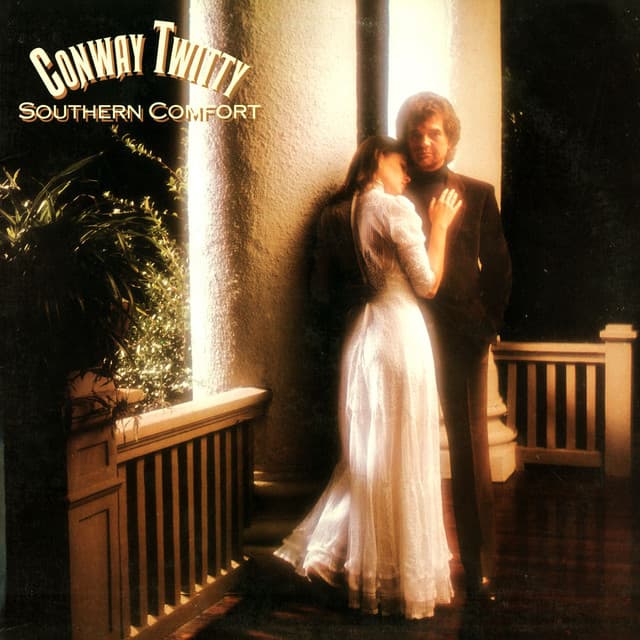
Released during Conway Twitty’s dominant early-1970s Nashville period, When Love Was Something Else arrived not as a chart-driven single but as a deeply internal album track, living inside one of his studio records rather than chasing a position on the country singles listings. By this point, Twitty was already a consistent presence at the top of the charts, an artist whose commercial success allowed space for songs that did not need radio urgency to justify their existence. Within that context, When Love Was Something Else stands as a deliberate pause, a reflective piece shaped for listeners willing to sit with emotional aftermath rather than resolution.
The song belongs to a phase in Twitty’s career when his recordings leaned less on dramatic confrontation and more on emotional inventory. Rather than telling a story that moves forward, When Love Was Something Else looks backward, measuring distance. The title itself frames love not as a living force but as a former condition, something once defined and now altered beyond recognition. This is not a song about betrayal or argument. It is about erosion, the quiet realization that the language two people once shared no longer applies.
Lyrically, the song operates on understatement. Twitty does not accuse, plead, or dramatize. He observes. The power comes from restraint, from the calm way the narrator acknowledges that love has shifted into something less generous and less certain. The past is not idealized, but it is clearly delineated. There was a time when love meant devotion, patience, and shared direction. Now it means distance, habit, or obligation. By refusing to define what love has become, the song leaves that truth suspended, forcing the listener to supply their own experience.
Musically, the arrangement reinforces this emotional economy. The tempo remains measured, almost conversational. The instrumentation stays supportive rather than expressive, allowing Twitty’s voice to carry the weight. His vocal performance is controlled, mature, and unhurried. This is the voice of a man who has already accepted the outcome, even if he has not yet fully absorbed its implications. Twitty’s phrasing lingers on certain lines just long enough to suggest reflection without tipping into regret.
What gives When Love Was Something Else its lasting resonance is how it mirrors adult emotional awareness. There is no illusion that love can always be recovered, and no fantasy that clarity brings comfort. The song understands that recognition often arrives after damage has already been done. In that sense, it fits seamlessly within Twitty’s broader legacy, especially his quieter recordings that explored emotional exhaustion rather than heartbreak as spectacle.
Culturally, the song reflects a period in country music when emotional realism was gaining precedence over theatrical sorrow. Twitty, already secure in his identity as a hitmaker, could afford to record material that trusted the listener’s emotional intelligence. When Love Was Something Else does not demand attention. It waits. And in doing so, it reveals a truth many listeners recognize only after time has passed, that love does not always end with a moment, but with a slow, undeniable change in meaning.