
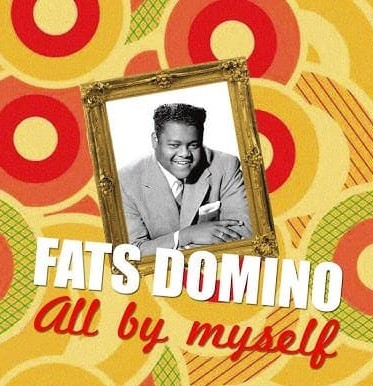
A Record Built Not on Reinvention, but on the Warm Echo of Survival
Released in the Netherlands through the Artone label as PAP 241, The Best Of Fats Domino arrived during the mid-1960s as a quietly unusual chapter in the career of Fats Domino. Unlike the explosive chart dominance that defined his Imperial Records years, this collection was less about commercial conquest and more about preservation. By the time these recordings surfaced together on the album The Best Of Fats Domino, Domino had already become one of the foundational architects of rock and roll, a man whose records once crossed racial and generational barriers with astonishing ease. Songs like Blueberry Hill, Ain’t That a Shame, and Walking to New Orleans had already secured his place in American musical history long before this particular release found its audience.
What makes this album fascinating is not blockbuster chart mythology, but atmosphere. These recordings belong to a period when the musical landscape around Domino was rapidly changing. The British Invasion had altered radio forever. Rock music was becoming louder, sharper, more theatrical. Yet Domino never chased trends. He remained devoted to the rolling New Orleans piano style that made his music feel less like performance and more like conversation.
That restraint is the soul of this record.
There is a deep loneliness running beneath many of these tracks. Songs such as Nobody Needs You Like Me and If You Don’t Know What Love Is do not rely on dramatic heartbreak or vocal acrobatics. Domino sings as though he has already accepted disappointment before the first note arrives. His voice carries the calm exhaustion of a man who understands that love often survives in fragments rather than victories. That emotional understatement became one of his greatest artistic weapons.
Even the rhythm section tells a story. The piano does not attack the melody. It sways with it. Domino’s left hand continues that unmistakable New Orleans shuffle while the arrangements leave generous breathing room between phrases. In another singer’s hands, these songs might have sounded sentimental. With Domino, they feel lived-in. Weathered. Human.
The album also reveals how misunderstood Domino’s later recordings often became. Critics sometimes measured him only against his 1950s hits, forgetting that his genius was never built on reinvention. His greatness came from consistency. He understood something many rock musicians eventually forgot: intimacy can outlast spectacle.
There is also something poignant about the title itself, The Best Of Fats Domino. It sounds definitive, yet the record captures an artist in transition rather than triumph. These were not the roaring early years when jukeboxes and dance halls belonged to him. This was the sound of a pioneer growing older while the world rushed toward newer heroes. But Domino never sounded bitter. That may be why his music still ages with extraordinary grace.
Listening now, the album feels less like a commercial compilation and more like a late-night broadcast drifting from an old radio somewhere past midnight. The tempos are gentle. The emotions are understated. The performances carry no desperation to impress. And perhaps that is exactly why they endure.