
A Ballad of Longing That Drifted Across the World Like a Lonely Wind
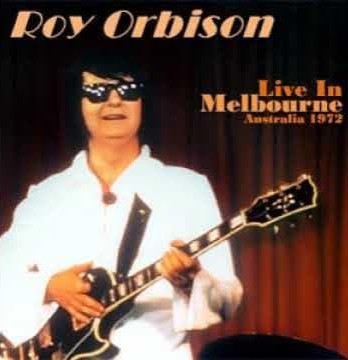
When Roy Orbison performed “Leah” during his 1972 Australian appearances, he was carrying with him far more than a forgotten B-side from the early 1960s. The song itself had first appeared on the album “In Dreams”, released during the extraordinary creative streak that established Orbison as one of popular music’s most emotionally singular voices. While “Leah” was never among his towering chart juggernauts like “Oh, Pretty Woman” or “Crying,” it occupied a different and perhaps more revealing corner of his catalog: a fragile maritime folk ballad wrapped in loneliness, yearning, and quiet devotion. By the time Orbison sang it in Australia in 1972, the performance carried the weight of an artist who had already endured immense personal and professional turbulence, giving the song an even deeper resonance than it originally possessed.
There was always something ghostlike about Roy Orbison on stage during that era. Dressed in black, motionless behind dark glasses, he rarely performed with the swagger that dominated rock music in the early seventies. Instead, he seemed to stand outside of time itself. And “Leah” fit that presence perfectly. The song tells the story of a lonely fisherman casting his nets into the sea while dreaming of the woman he loves, hoping his labor will someday earn him enough to make her his own. It is a deceptively simple narrative, almost folkloric in structure, yet Orbison transforms it into something mythic.
The emotional power of “Leah” lies in its restraint. Orbison never oversings the desperation at the center of the lyric. He allows the ache to emerge slowly, carried by the tide-like rhythm and the haunting upward reach of his voice. In many ways, the song embodies one of the defining characteristics of his artistry: the ability to make vulnerability sound enormous. Most singers approached heartbreak with theatrical collapse or masculine bitterness. Orbison approached it with solitude. His characters do not rage against loss; they drift through it like sailors beneath a dark horizon.
Listening to the 1972 Australian performance now, one hears an artist revisiting an earlier emotional landscape with older eyes. By then, the cultural tides had shifted dramatically. Rock music had become louder, heavier, and increasingly political. Yet Orbison remained devoted to emotional storytelling rooted in melody and atmosphere. That refusal to chase trends is part of what makes performances like this endure. “Leah” sounds untouched by fashion because it was never trying to be fashionable in the first place.
Musically, the song occupies a fascinating space between traditional balladry and the cinematic pop that defined the classic Roy Orbison sound. The rolling rhythm evokes the sea itself, while the arrangement leaves room for Orbison’s voice to rise like a distant beacon through fog. Even at its quietest moments, there is tension in the performance, as though hope and heartbreak are existing side by side. That duality became Orbison’s signature. He understood that love songs were rarely about happiness alone. They were about distance, memory, waiting, and the unbearable uncertainty of whether devotion would ever be returned.
What makes “Leah” especially poignant within the broader Orbison canon is how deeply it reflects his recurring fascination with unreachable ideals. Again and again, his songs center on figures suspended between dream and reality. The women in his music are often less physical presences than emotional destinations, symbols of salvation for lonely men wandering through darkness. In “Leah,” the sea becomes both literal setting and emotional metaphor: endless, isolating, and indifferent.
The Australian performance from 1972 captures something essential about Roy Orbison that younger generations often discover only after moving beyond the hits. Beneath the operatic vocals and dramatic crescendos was an artist profoundly committed to emotional honesty. He sang for people who understood silence, distance, and longing. And in “Leah,” that longing drifts through every note like moonlight across black water.