
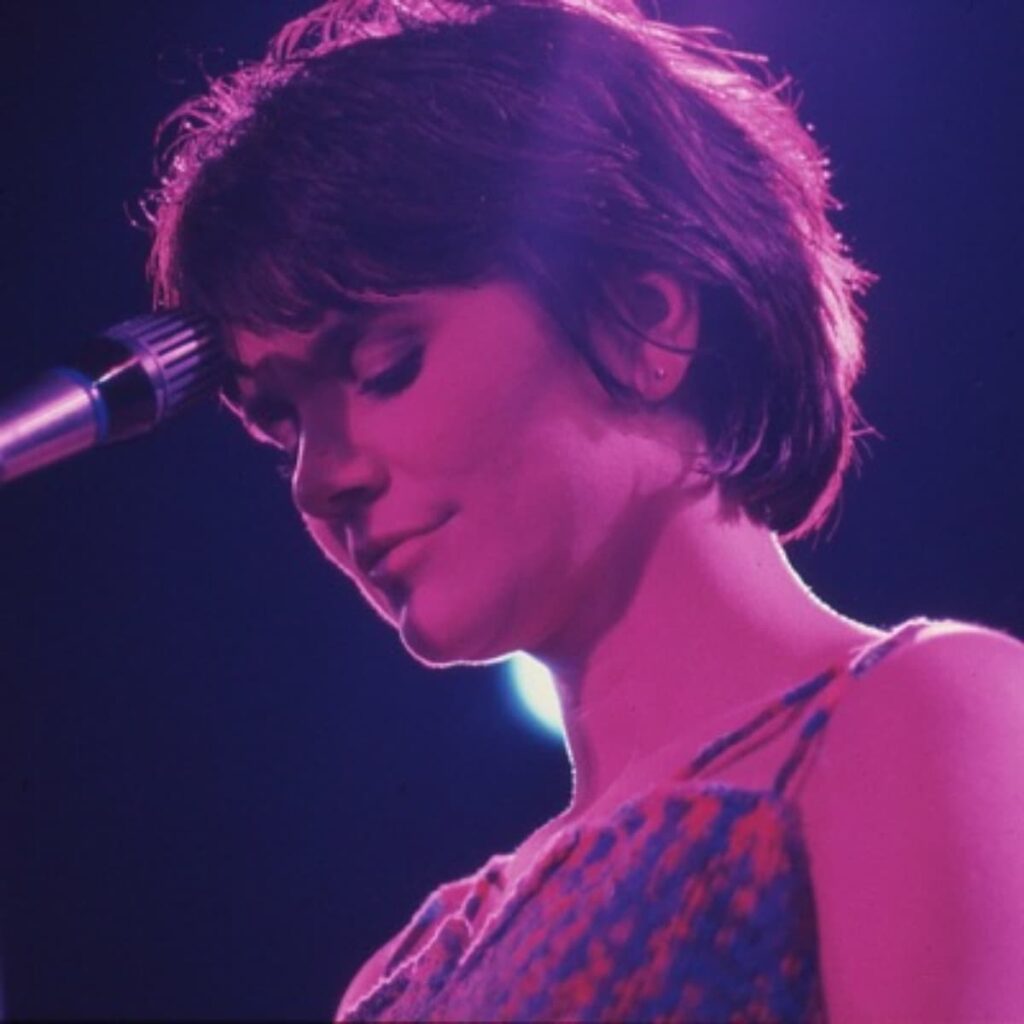
The aching vulnerability behind a tough exterior that hides a lifetime of longing
When Linda Ronstadt released Poor, Poor Pitiful Me as part of her 1977 album Simple Dreams, the song swiftly became a vivid statement of her artistic versatility. Originally penned by Warren Zevon, this track allowed Ronstadt to inhabit a persona that balanced wit, world-weariness, and emotional candor, a combination that resonated with audiences and helped the single reach the upper reaches of the Billboard Hot 100. It was a period in her career when Ronstadt was fully asserting her presence not just as a vocalist of exceptional technical command, but as a storyteller capable of navigating irony, heartache, and self-reflection with equal authority.
From the opening guitar lines to Ronstadt’s incisive delivery, Poor, Poor Pitiful Me captures a tension between mischief and melancholy. The lyrics recount a series of encounters and misadventures in love, each anecdote layered with humor and resignation. Yet beneath the sparkling veneer of wit lies a deeply human narrative: the struggle to reconcile desire with disappointment, and independence with a yearning for connection. Ronstadt’s interpretation amplifies these complexities, her voice weaving between sardonic commentary and heartfelt confession, giving the listener the sense that every phrase has been lived.
Musically, the track carries the polished yet spirited signature of late-1970s California rock. The arrangements balance accessible pop-rock sensibilities with subtle blues inflections, allowing Ronstadt’s vocal nuances to shine without compromise. Her phrasing emphasizes storytelling above spectacle; she inhabits the song fully, guiding the audience through each scenario with a combination of empathy and knowing irony. In doing so, she transforms Zevon’s composition from a mere narrative of romantic misfortune into a larger meditation on human resilience and self-awareness.
The song also reflects Ronstadt’s broader approach to interpreting material from diverse songwriters. She had an uncanny ability to channel the emotional core of a song, whether written by Zevon, Gram Parsons, or Karla Bonoff, and make it feel unmistakably her own. With Poor, Poor Pitiful Me, this skill is particularly evident. She adopts the narrative voice convincingly, yet the subtleties of her performance—small shifts in timbre, breath, and timing—reveal the emotional depth lying beneath the story’s playful surface.
Culturally, the track occupies an interesting place in Ronstadt’s catalog. It showcases her engagement with humor and self-deprecation, a contrast to the earnest balladry that also defined her output. In live performances, she often emphasized the dramatic irony of the lyrics, highlighting the gap between persona and reality, between bravado and vulnerability. This duality, so central to Poor, Poor Pitiful Me, is what gives the song enduring appeal: it is both a reflection on the follies of romantic life and a testament to the fortitude required to navigate it. Decades later, Ronstadt’s performance continues to resonate, reminding listeners that behind charm and wit, there often lies a quietly profound human truth.