
A Voice Looking Back at the Road It Traveled
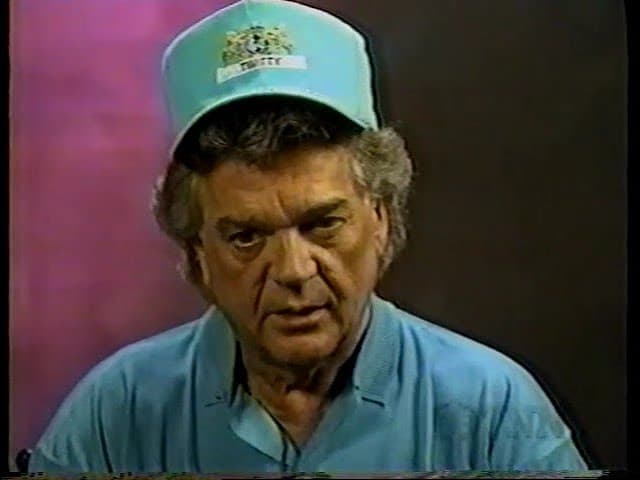
By 1991, Conway Twitty no longer needed the validation of chart positions to secure his place in American music. The man who had already accumulated an astonishing string of No. 1 country hits across three decades had become something rarer than a hitmaker: a living institution. The recording commonly circulated as “Interview 1991” arrived during the final chapter of Twitty’s career, several years after the commercial peak that had defined albums such as “Southern Comfort”, “Crazy in Love”, and “Borderline.” Unlike the polished architecture of his studio recordings, this interview captures something more intimate — the weathered reflection of an artist who had already survived the changing tides of country music and watched the industry evolve around him.
There is a peculiar gravity to hearing Conway Twitty speak in the early 1990s. By then, the voice that once delivered “Hello Darlin’” with devastating tenderness carried the weight of memory itself. He was no longer merely the smooth romantic figure who dominated country radio throughout the 1970s and early ’80s. In conversation, one hears a craftsman reflecting on endurance — a performer aware that fame is fleeting, but emotional truth is permanent.
What makes this recording compelling is not spectacle, but restraint. Twitty never approached his legacy with theatrical self-mythology. His interviews often revealed the same qualities embedded in his music: humility, emotional intelligence, and an instinctive understanding of ordinary heartbreak. That honesty became the foundation of his appeal. While many country stars leaned heavily into image, Conway Twitty built his empire on emotional credibility. Listeners believed him because he sounded like a man who had lived every lyric he sang.
The interview also quietly illuminates the remarkable duality of his career. Before conquering country music, Twitty had already tasted rock and pop success with “It’s Only Make Believe” in 1958 — a crossover phenomenon that topped charts internationally. Yet he reinvented himself entirely in Nashville, achieving a second act so successful that younger audiences often forgot he began as a rockabilly artist. Few performers in American music history navigated reinvention with such authority.
Listening to Twitty in 1991 feels almost cinematic now, especially knowing how close this period was to the end of his life. There is no overt farewell in his words, yet hindsight gives the recording an unintended poignancy. His cadence is calm, reflective, occasionally amused, but beneath it lingers the unmistakable tone of a man who understood the cost of longevity. Stardom had changed around him. Country music itself was entering a more commercial, polished era led by younger voices. Still, Twitty remained anchored to the older tradition — one where songs were expected to wound a little, to confess something fragile.
That is ultimately why recordings like “Interview 1991” continue to resonate with devoted listeners. They preserve the human being behind the mythology. The carefully tailored stage persona fades, and what remains is a thoughtful Southern storyteller who spent a lifetime translating desire, loneliness, regret, and devotion into song. For longtime admirers, hearing him speak becomes almost as affecting as hearing him sing.
And perhaps that is Conway Twitty’s quiet triumph. Even without music playing behind him, his voice still carried the ache of country music itself.