
A song about distance, longing, and the quiet hope of finding your way home again.
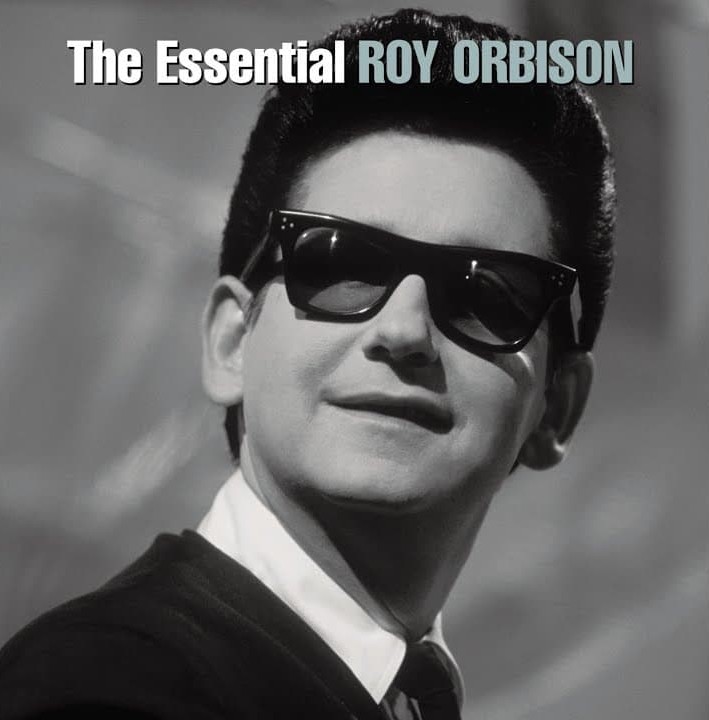
Released in 1989 as part of Roy Orbison’s final studio album, Mystery Girl, “California Blue” arrived during one of the most bittersweet chapters in popular music history. The single reached the charts across Europe, climbing into the Top 40 in countries like Germany and Belgium, while also appearing on the Billboard Country chart in the United States. Yet chart numbers only tell part of the story. What gave the song its enduring weight was the haunting reality surrounding it: this was the sound of Orbison reclaiming his artistic voice just before the world lost him forever.
By the late 1980s, Roy Orbison was no longer merely a relic of early rock and roll nostalgia. Through the unlikely resurrection sparked by the Traveling Wilburys and the success of Mystery Girl, he had become something rarer: an elder statesman whose loneliness suddenly sounded timeless again. “California Blue” embodies that late-career rebirth with extraordinary grace. Written alongside Jeff Lynne and Tom Petty, the song carries the unmistakable fingerprints of all three men. Lynne’s polished, dreamlike production wraps the recording in warm twilight textures, while Petty’s understated influence keeps it rooted in American road-song melancholy. But at the center remains Orbison himself, singing with a tenderness that feels almost unbearably human.
Unlike the operatic heartbreak of “Crying” or the dramatic desperation of “Running Scared,” “California Blue” works through restraint. The lyrics are deceptively simple: a weary traveler dreaming of returning to someone waiting far away. There are no grand declarations, no emotional explosions. Instead, Orbison leans into exhaustion, distance, and quiet perseverance. “Working all day and the sun don’t shine” opens the song not with romance, but with fatigue. It is the voice of a man carrying memory like luggage.
That subtlety is what gives the song its remarkable emotional maturity. “California Blue” is less about California itself than the idea of emotional refuge. The state becomes symbolic, almost mythic, representing warmth, belonging, and peace that always seems just out of reach. Orbison sings as though he already knows life rarely grants perfect reunions, yet he continues hoping anyway. The repeated phrase “One sunny day, I’ll get back again” does not sound triumphant. It sounds fragile. Human. Earned.
There is also something profoundly autobiographical hidden beneath the surface. By the time Mystery Girl was recorded, Orbison had survived professional collapse, personal tragedy, and years of industry neglect. His voice, however, still carried that impossible combination of vulnerability and authority. In “California Blue,” he no longer sounds like the young man pleading for love. He sounds like someone who understands absence intimately. That distinction changes everything.
Musically, the recording drifts with gentle country-rock elegance. Mike Campbell’s instrumentation adds an open-road loneliness, while Lynne’s layered harmonies create the sensation of memory echoing through empty spaces. Orbison’s vocal never overreaches. He lets silence and phrasing do the work. Few singers understood better than he did that heartbreak is often quiet.
Today, “California Blue” endures because it captures a universal ache without turning sentimental. It is the sound of someone looking westward toward comfort they cannot quite touch, still believing the road home exists somewhere beyond the horizon. And when Roy Orbison sings those final fading lines, the song no longer feels like a hit single from 1989. It feels like a letter from a man who spent his entire life teaching popular music how loneliness could sound beautiful.